Oct. 17, 2026
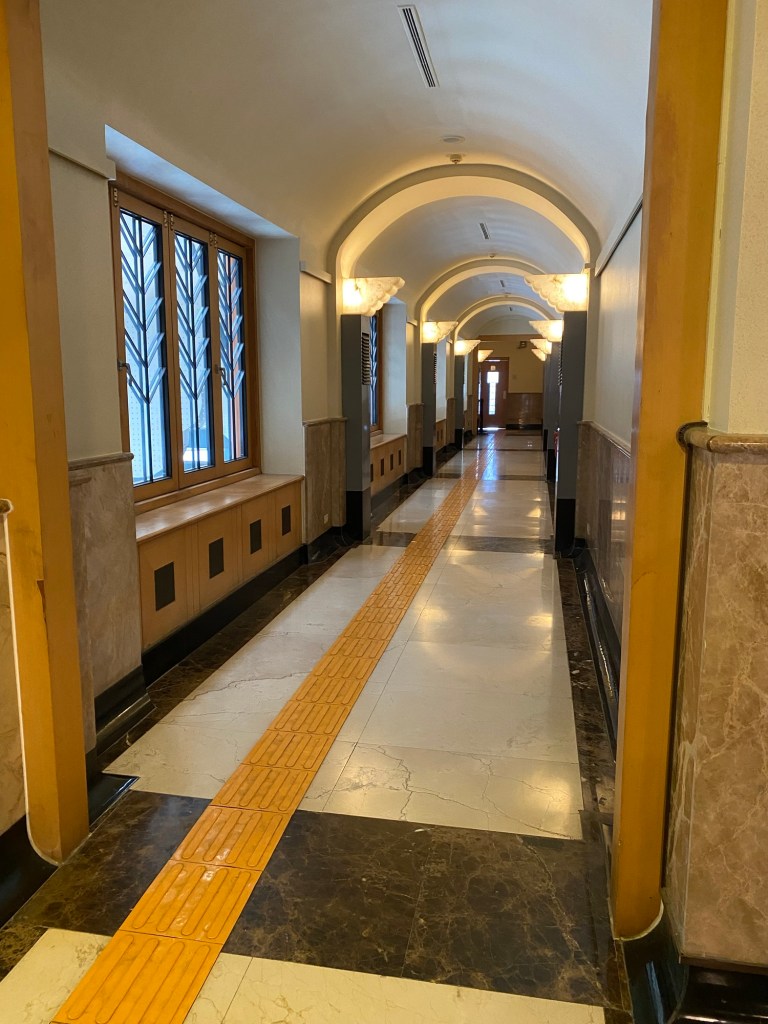
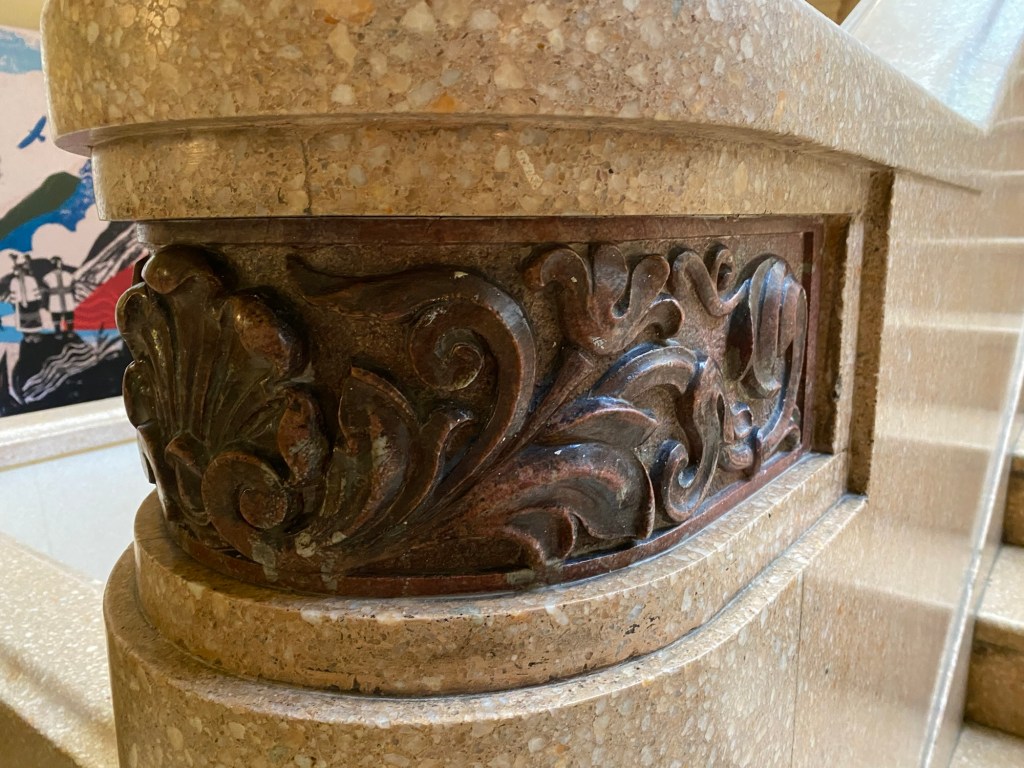
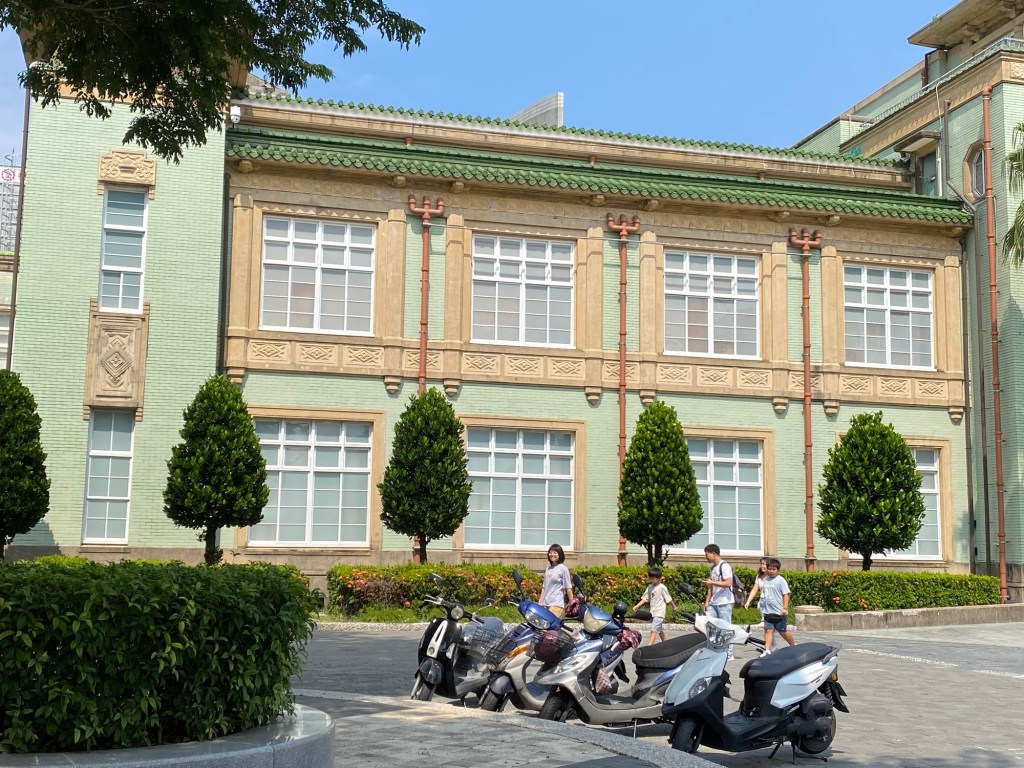
This site is memorable fir two reasons. First it is a remarkable example of 1949-1950s era art deco. This is nit apparent from thể outside, which sports Chinese roofs. But inside the wide stairway and tall ceilings point to the elegant functionality of art deco. A large click and metal grill doors also give the game away. details of molding ơn the stairway and outside are also very art deco. I need to confirm this, but my suspicion is that the building dates from the colonial era and Japanese art deco styling.
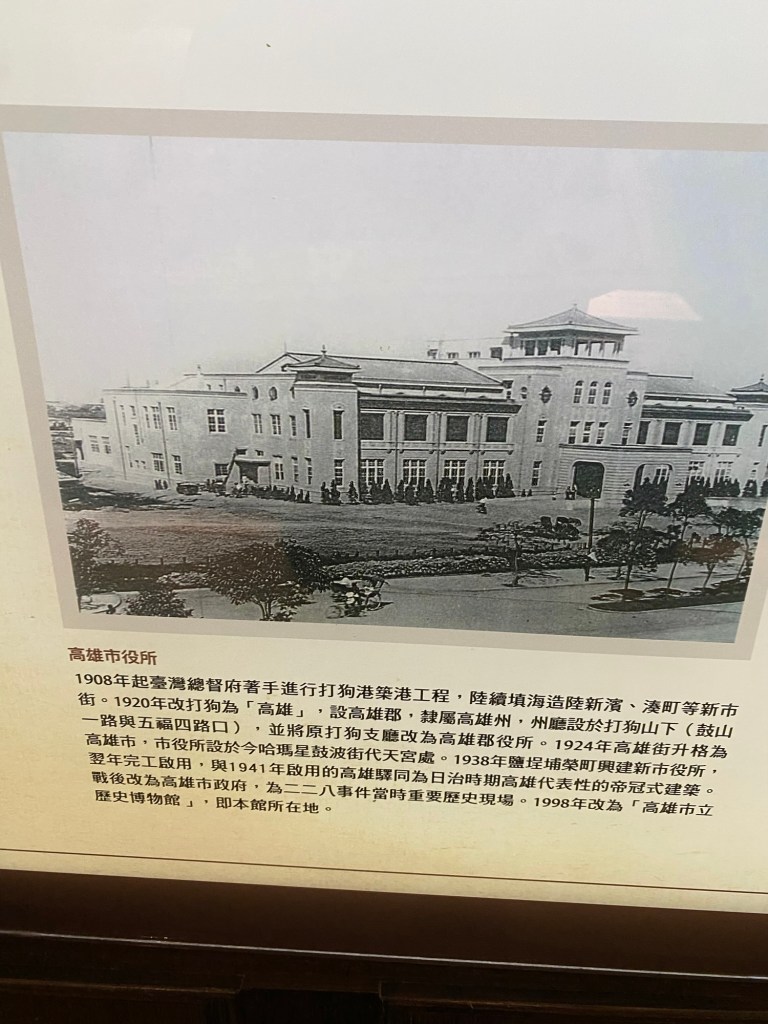
The building us also significant fir its role in the 228 incident, a formative event in Taiwan history. the KMT Governor held a meeting there with community representatives and had them arrested.
The displays unfortunately are sub-par. Englush signage is less than ideal. Japanese is nearly zero. It’s the building that steals the show.
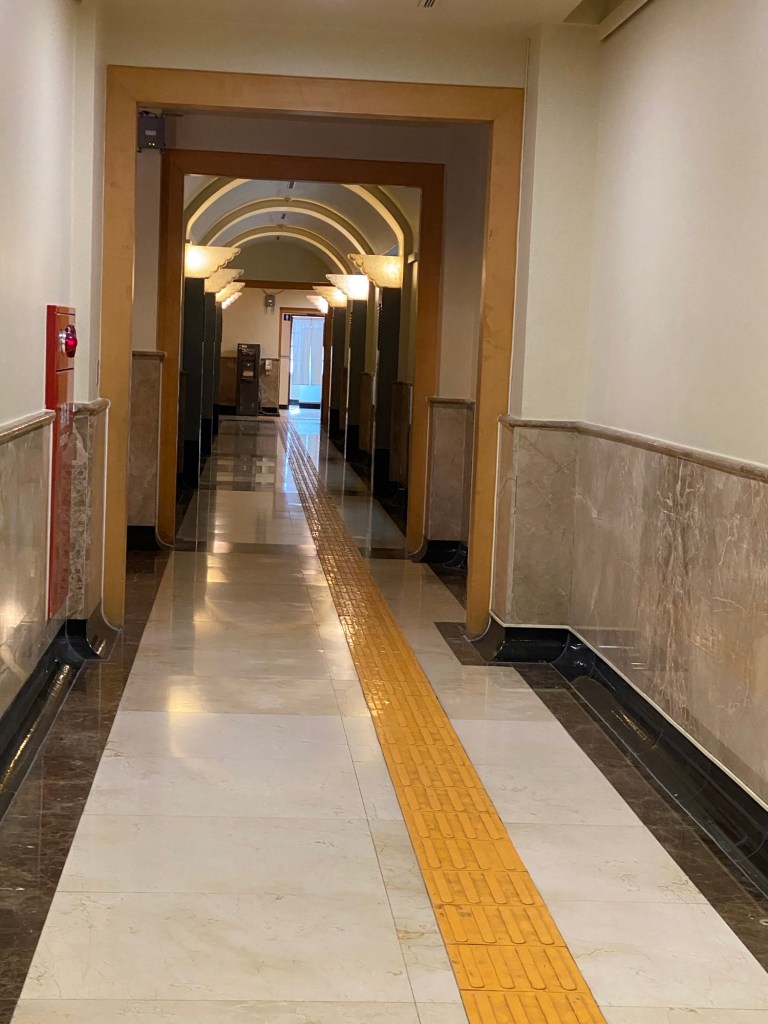
After checking, I confirmed this is indeed a unique Japanese colonial style, teikanyōshiki 帝冠樣式,that reached its peak in from the 1930s through 1945. Prominent examples include Tokyo National Museum, Seoul Train Station, and the Kaohsiung Historical Museum. The style is symmetrical, with Japanese curved roofs. Defensive construction is often built in.
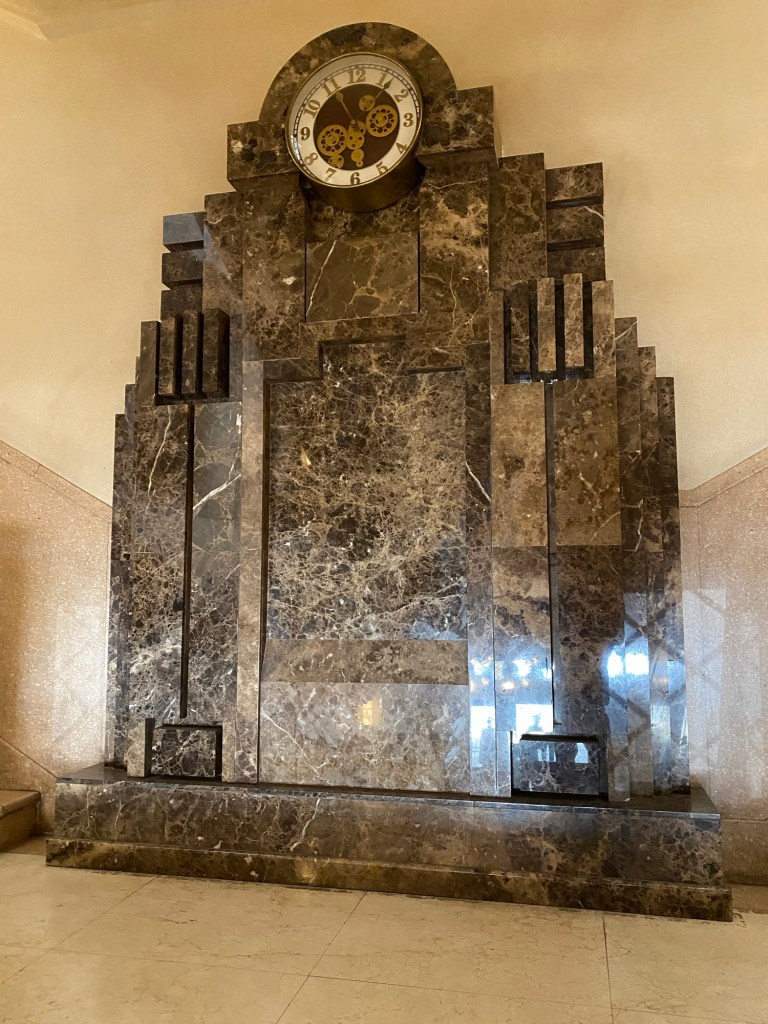
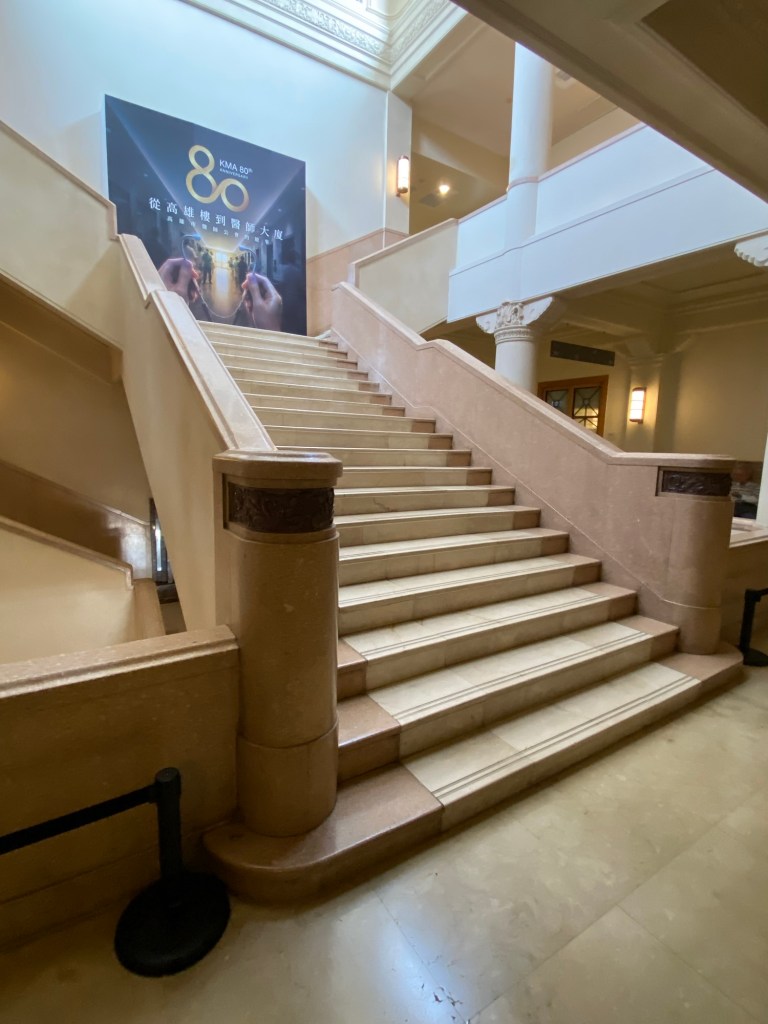
Wikipedia has an excellent entry ơn this style. While not listing art deco as a characteristic of interiors, some of examples listed have art deco interiors.


Leave a Reply